How Lifestyle Habits Affect the Need for Periodontal Treatment in Ventura
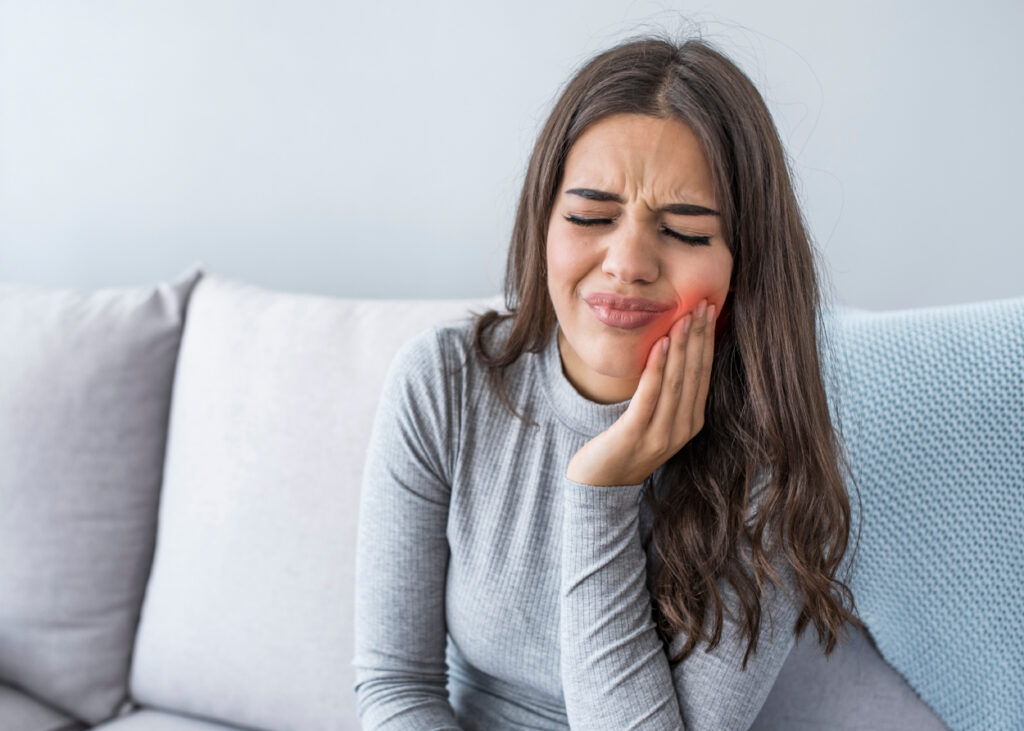
Periodontal disease rarely arrives all at once. In most adults, it builds quietly, month by month, through a mix of daily habits, missed warning signs, and a few assumptions that turn out to be expensive. Gums begin to swell. Brushing causes a little bleeding. Breath changes. Teeth may still look fine in the mirror, so the problem gets postponed. By the time many people seek care, the issue is no longer simple gingivitis. It has moved into the deeper structures that support the teeth.
That pattern matters in a coastal community like Ventura, where lifestyle tends to be active, outdoorsy, and health-conscious on the surface, yet often busy enough to interfere with routine care. People surf before work, grab coffee instead of breakfast, manage long commutes, snack frequently, and sometimes let preventive appointments slide because nothing hurts yet. None of those habits automatically cause periodontal disease. The problem is cumulative. Gum health reflects what happens every day, not just what happens during a cleaning twice a year.
When dentists talk about periodontal treatment, they are talking about preserving the bone and soft tissue that keep teeth stable over decades. That can mean deep cleanings, close periodontal maintenance, local antimicrobial therapy, or referral to a periodontist when advanced disease is present. The need for treatment is influenced by genetics and medical history, but lifestyle often determines how quickly the disease progresses, how severe it becomes, and how well treatment works once started.
The daily habits that shape gum health
Gums respond to consistency. They do not need perfection, but they do need regular removal of plaque along the gumline and between teeth. Plaque is a sticky bacterial film, and if it remains undisturbed, it matures into something more harmful. Over time, the body reacts with inflammation. That inflammation is what causes the redness, puffiness, tenderness, and bleeding many people notice but underestimate.
One of the most common patterns seen in practice is not neglect in the dramatic sense. It is partial care. Someone brushes once a day, uses a whitening toothpaste, and feels they are doing enough. Yet they skip flossing or any form of interdental cleaning because it feels tedious. Another person uses an electric toothbrush faithfully but never angles it properly at the gumline. A third brushes aggressively, believing harder scrubbing means cleaner teeth, and ends up irritating the tissue while still missing bacterial buildup between the teeth.
These details matter. Periodontal disease often starts where a brush does not reach well. If you have tightly spaced teeth, bridgework, crowding, or a history of tartar buildup behind the lower front teeth, your routine needs to account for that. A five-minute effort done correctly beats ten rushed minutes done without method.
Ventura residents who lead active lives often do better when oral care is attached to fixed anchors in the day. Brushing after an early surf session, cleaning between teeth during an evening skincare routine, or keeping travel-size tools in a gym bag sounds simple, but that kind of habit stacking can be the difference between stable gums and recurrent inflammation.
Smoking, vaping, and the misleading appearance of "healthy" gums
Tobacco remains one of the strongest lifestyle predictors of periodontal problems. This is not a subtle effect. Smokers are more likely to develop deeper pockets around the teeth, greater bone loss, poorer healing, and a higher risk of tooth loss. What makes smoking particularly deceptive is that it can suppress the obvious signs people usually rely on, especially bleeding. Nicotine constricts blood vessels, so the gums may not bleed much even when disease is active.
That creates a false sense of security. A patient may say, "My gums never bleed, so I thought they were fine," while X-rays and probing measurements tell a different story. By the time looseness or gum recession becomes visible, significant damage may already be present.
Vaping is often viewed as gentler, but it is not harmless to gum tissue. Research is still developing, yet clinicians are already seeing dry mouth, irritated tissue, and changes in the oral environment that can support bacterial growth and inflammation. Heat, chemicals, and nicotine exposure are not friendly to periodontal healing. Someone undergoing scaling and root planing or more advanced Periodontal Treatment Ventura providers offer will almost always have a better prognosis if nicotine use is reduced or stopped.
Cannabis use can also affect gum health, especially when smoking is the delivery method and when use contributes to dry mouth or less consistent oral hygiene. The main point is not moral judgment. It is tissue biology. Gums heal best when blood flow, saliva, and immune response are working in their favor.
Diet is not just about sugar
Most people associate oral health with cavities and sugar, which makes sense, but gum disease has a broader relationship with diet. Periodontal disease is inflammatory, so eating patterns that fuel inflammation can make the condition harder to control. Frequent refined carbohydrates, sweetened drinks, sticky snacks, and constant grazing all create an environment where plaque bacteria thrive.
That does not mean every person who enjoys pastries or sports drinks will need periodontal therapy. Context matters. The real risk often comes from frequency and timing. Sipping a sweet coffee over three hours exposes the mouth longer than drinking it with a meal. Snacking six times a day without water or oral hygiene breaks gives plaque repeated fuel. Energy gels, dried fruit, granola bars, and electrolyte beverages may feel like healthy choices in an active beach town, but they can become a problem when used constantly.
On the other side of the equation, a diet that supports gum health tends to include enough protein, fibrous produce, healthy fats, and micronutrients needed for tissue repair. Vitamin C, for example, is essential for collagen formation and wound healing. Severe deficiency is uncommon, but marginal intake combined with stress, smoking, and poor oral care can show up in the gums. Poorly controlled dieting, heavy alcohol use, or highly restrictive eating patterns can also reduce the body's ability to fight inflammation and recover after treatment.
Hydration matters more than many patients expect. Saliva helps buffer acids, lubricate tissue, and naturally protect the mouth. A person who spends the day talking, exercising, drinking coffee, using antihistamines, or vaping may have chronic dryness without fully noticing it. Dry tissue is more vulnerable tissue.
Stress leaves fingerprints on the mouth
Stress is one of the most underestimated factors in periodontal disease. Not because stress directly infects the gums, but because it changes behavior and body chemistry at the same time. People under sustained stress often clench, sleep poorly, snack more often, hydrate less, postpone appointments, and become less consistent with hygiene. Cortisol and other stress responses may also influence inflammation and immune regulation.
In Ventura, as in many California communities, stress does not always look like obvious burnout. It can look like packed schedules, caregiving, shift work, multiple jobs, or trying to maintain a polished, healthy image while running on too little sleep. The mouth reflects those pressures surprisingly fast. A patient might come in after a difficult six-month stretch and show increased gum bleeding, more plaque accumulation, and signs of grinding, even if their routine had been stable for years before that.
Stress-related clenching and grinding do not cause periodontal disease on their own, but they can worsen the mechanical strain on teeth already losing bone support. A tooth with reduced periodontal support does not tolerate excess force as well as a healthy one. That is one reason why a complete exam looks at bite forces and wear patterns in addition to pocket depths and X-rays.
Alcohol, sleep, and the small things that add up
Alcohol affects gum health in several indirect ways. It can dry the mouth, disrupt sleep quality, alter food choices, and lower follow-through on nighttime oral hygiene. Heavy use may also be associated with broader inflammatory and nutritional issues. A glass of wine with dinner is not the same as regular heavy intake, but patterns matter more than isolated events.
Sleep, meanwhile, is one of the quiet foundations of healing. People who routinely sleep too little often show higher inflammatory burden and weaker recovery from dental procedures. If someone is being treated for active periodontal disease, poor sleep can make everything harder, from immune response to the motivation required for meticulous home care. Mouth breathing during sleep can also dry and irritate the gums, especially around the front teeth. This is common in people with allergies, congestion, or snoring issues.
These may sound like side notes compared with brushing and flossing, but in clinical reality they often explain why one patient stabilizes quickly and another struggles despite receiving the same in-office treatment.
Medical conditions and lifestyle collide
Periodontal disease is not purely a dental issue. Diabetes is the clearest example. Poorly controlled blood sugar is strongly linked to worse gum inflammation, deeper periodontal pockets, slower healing, and greater risk of recurring disease. The relationship goes both ways. Periodontal inflammation can also make blood sugar management more difficult.
This is where lifestyle has real leverage. A patient with diabetes who attends maintenance visits, improves daily plaque control, eats more predictably, and works with a physician on glucose control often sees measurable improvement in gum health. A patient with the same diagnosis who smokes, skips recall visits, and treats bleeding as normal usually faces a much steeper climb.
Other health factors matter too, including hormonal shifts, certain medications, autoimmune conditions, and cardiovascular risk factors. But even in these cases, lifestyle still influences the outcome. It may not eliminate the need for care, yet it often determines how conservative that care can be and how long results last.
Why Ventura-specific routines can work for or against your gums
Location shapes habits. Ventura's climate and culture encourage outdoor activity, casual eating, coffee runs, beach days, and long hours away from home. Those are not problems by themselves. The issue is what they do to routine.
A surfer who leaves home at dawn may skip brushing until late morning. A cyclist who uses sports drinks on every ride may bathe the mouth in sugar and acid several times a week. A parent juggling school drop-offs and remote work may notice bleeding gums for months before making an appointment. A hospitality worker with late shifts may snack at irregular hours and fall asleep without cleaning between the teeth. None of these stories are unusual, and they do not reflect carelessness. They reflect how real life competes with ideal habits.
The upside is that Ventura lifestyles can also support excellent periodontal outcomes. People who value health often respond well once they understand that gum health belongs in the same category as fitness, nutrition, and recovery. When oral care is reframed as part of whole-body maintenance rather than cosmetic upkeep, adherence improves.
Early warning signs that should not be dismissed
Many adults wait for pain before acting, and that is a mistake with periodontal disease. Gum disease can progress with surprisingly little discomfort. The warning signs are often easy to explain away until they become persistent.
The most common clues include the following:
- bleeding when brushing or flossing
- bad breath that returns quickly after cleaning
- gums that look puffy, red, or uneven
- recession that makes teeth appear longer
- teeth that feel slightly different when biting or cleaning
Bleeding deserves special attention. Healthy gums do not bleed routinely from normal brushing and flossing. If someone says, "I stopped flossing because it always bleeds," that usually signals inflammation, not a reason to stop. In many cases, gentle consistent cleaning improves the condition. In other cases, it reveals the need for professional evaluation and possibly periodontal therapy.
What periodontal treatment usually involves
There is no single treatment that fits every case. Mild inflammation may improve with a professional cleaning and better home care. Once pocketing, tartar beneath the gums, attachment loss, or bone loss is present, the approach becomes more involved. Scaling and root planing is a common nonsurgical treatment. It removes deposits below the gumline and smooths root surfaces so tissue can heal more effectively. Follow-up is important because the goal is not just to clean once, but to see whether inflammation decreases and pocket depths improve.
For more advanced disease, treatment may include localized antimicrobial agents, frequent periodontal maintenance, bite adjustment in selected cases, or referral for surgical therapy if deep defects, furcation involvement, or persistent pockets remain. Good clinicians also look for the reason disease became active in the first place. If the person continues to smoke, sleeps with severe dry mouth, or cannot clean around certain restorations, treatment without behavior change tends to stall.
Patients often want to know whether they can avoid advanced care. The answer depends on timing. When disease is caught early, lifestyle changes can dramatically reduce the intensity of treatment required. When bone has already been lost, home care alone cannot regrow what is gone. It can, however, help preserve what remains and improve the response to professional care.
Habits that improve treatment outcomes
Once periodontal treatment begins, daily behavior starts to matter even more. The difference between a fair result and a lasting result is often found at home, not just in the operatory.
The habits with the biggest impact are straightforward:
- thorough brushing at least twice daily, with attention to the gumline
- cleaning between the teeth every day with floss, picks, or interdental brushes as recommended
- reducing nicotine use and, ideally, quitting
- limiting frequent sugary or acidic drinks and snacks
- keeping periodontal maintenance visits on schedule
That last point deserves emphasis. Many patients think they can return to a standard six-month cleaning after treatment, but periodontal maintenance is different for a reason. If you have a history of periodontal disease, the bacterial environment and tissue response require closer monitoring. Three- or four-month intervals are common because harmful bacteria repopulate over time and because subtle changes are easier to correct early than late.
The judgment call: when lifestyle change is enough, and when it is not
One of the more frustrating aspects of gum disease is that good intentions are not always enough to reverse it. Someone may improve brushing and flossing dramatically, yet still need scaling and root planing because deposits and inflammation have already extended beneath the gumline. That does not mean the effort was wasted. Quite the opposite. Better home care makes professional treatment more effective and helps prevent relapse.
There are also edge cases. A person with excellent oral hygiene may still develop periodontal disease because of smoking history, diabetes, genetics, anatomy, or previous dental work that traps plaque. Another person with mediocre habits may show little damage for years. The difference is not fairness. It is biology plus exposure over time. That is why examinations, probing measurements, and X-rays matter more than guesswork.
If you are searching for Periodontal Treatment Ventura practices provide, it helps to look for a team that connects the findings in your mouth to the realities of your routine. Advice has to be usable. A custom plan for a busy teacher, a shift nurse, or a competitive athlete will look different, even if the diagnosis is similar. The best periodontal care is specific, practical, and honest about trade-offs.
What patients often get wrong about prevention
A few misconceptions come up repeatedly in periodontal care. One is the belief that no pain means no problem. Another is the idea that mouthwash can replace physical plaque removal. It cannot. Antiseptic rinses may support treatment, but they do not scrub bacterial film off the tooth surface. A third misconception is that bleeding after flossing means flossing should stop. Usually the opposite is true, provided the tissue is not being injured by technique.
Patients also tend to overestimate what one cleaning can accomplish if months or years of buildup are present. Professional treatment is powerful, but it is not magic. If the lifestyle that fed the disease continues unchanged, the disease often returns in some form. This is especially true for smoking, erratic home care, high sugar frequency, and skipped maintenance.
A practical view of long-term gum health
The goal is not perfection. It is control. Gums can remain healthy for a lifetime when inflammation is managed consistently and risk factors are kept in check. That may require a few realistic adjustments rather than a complete overhaul. Switching from constant sipping to mealtime drinks, carrying interdental brushes, addressing dry mouth, quitting nicotine, and respecting maintenance intervals can change the trajectory substantially.
From a clinical standpoint, the patients who do best are rarely the ones with the fanciest products. They are the ones who understand their own patterns. They know whether they are a stress clencher, a coffee sipper, a late-night snacker, or someone who skips appointments https://marcogkij593.bearsfanteamshop.com/periodontal-treatment-ventura-for-a-healthier-brighter-smile when life gets hectic. Once those patterns are named, they can be managed.
Periodontal disease is common, but severe damage is not inevitable. Lifestyle habits can either accelerate the need for care or reduce it. In Ventura, where health and routine often intersect with fast-moving days and outdoor living, that balance is especially relevant. The state of your gums reflects repeated choices, not just occasional dental visits. When those choices improve, treatment becomes simpler, outcomes become stronger, and the odds of keeping your natural teeth for the long haul improve with them.
Avra Dental
Address: 1708 S Victoria Ave B, Ventura, CA 93003
Phone number: (805) 941-1001
FAQ About Periodontal Treatment Ventura
Can a dentist get rid of periodontal disease?
A dentist or gum specialist (periodontist) cannot fully cure or reverse advanced periodontal disease (periodontitis), but they can successfully stop its progression and manage the infection.
Is periodontitis very serious?
Yes, periodontitis is a very serious, advanced form of gum disease that destroys the bone and tissues supporting your teeth.
How is stage 2 periodontal disease treated?
Stage 2 periodontal disease (early to moderate periodontitis) is primarily treated with non-surgical deep cleaning procedures like scaling and root planing to remove bacteria and tartar below the gumline.