Periodontal Treatment for Seniors: Special Considerations
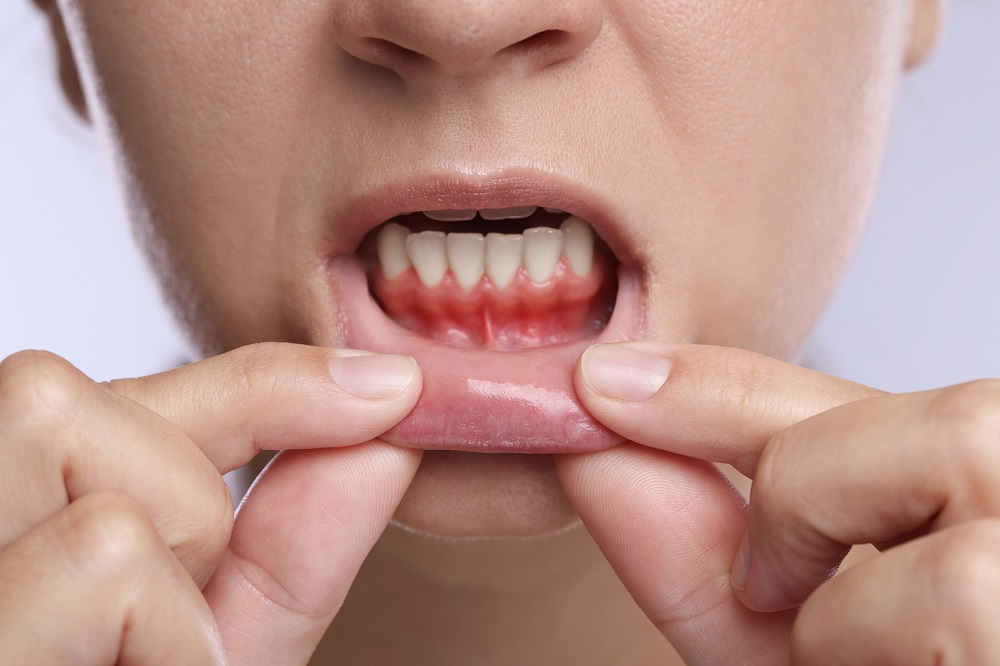
Aging does not cause periodontal disease, but aging changes the landscape in which periodontal disease develops, progresses, and responds to care. That distinction matters. I have seen many older adults arrive for treatment after years of being told that bleeding gums, loose teeth, or increasing spaces between teeth were simply part of getting older. They are not. They are signs of disease, often layered on top of age-related changes that make diagnosis and treatment planning more nuanced.
For seniors, periodontal treatment is rarely just about plaque and tartar. It intersects with medication lists, arthritis in the hands, dry mouth, diabetes control, memory changes, nutrition, transportation, and the practical question of what kind of care a person can comfortably maintain over time. The biology is only one piece of the case. The real work is matching sound periodontal care to the patient’s broader health, goals, and daily reality.
Why the senior mouth presents differently
Many older adults have lived with dental restorations for decades. Crowns may have margins that are no longer ideal. Fillings may overhang slightly. Bridges can make hygiene difficult. Recession may expose root surfaces that collect plaque more readily than enamel does. Some patients have had episodes of periodontal treatment in the past and now present with a mix of stable areas, recurrent pockets, and localized breakdown around strategically important teeth.
The gum tissue itself may not look dramatically different with age, but the supporting environment often is. Salivary flow may be reduced by antihypertensives, antidepressants, antihistamines, or other common medications. A dry mouth changes the microbial balance, increases root caries risk, and makes oral hygiene less effective and less comfortable. Reduced dexterity from arthritis, tremor, stroke history, or neuropathy can turn a once-routine brushing and flossing habit into a physically difficult task. Vision changes may make it harder to see plaque accumulation or handle small oral hygiene devices.
Then there is the issue of cumulative burden. A 75-year-old patient may not have more aggressive disease than a 45-year-old, but they may have had more years for tissue destruction to accumulate. Even modest chronic inflammation, left unchecked for decades, can produce substantial attachment loss and mobility.
The first appointment often tells a larger story
A periodontal evaluation in a senior patient should be unhurried. The probing depths, recession measurements, mobility grades, and radiographs are essential, but they do not tell the whole story. The conversation matters just as much.
When an older patient says, “I brush every day and still cannot keep my gums from bleeding,” I want to know what “brush every day” means in practical terms. Are they using a manual brush with a weakened grip? Are they avoiding the back molars because their shoulder hurts when they reach? Have they stopped flossing because their fingers no longer cooperate? Those details can completely change the treatment approach.
Medication review deserves close attention. Anticoagulants, bisphosphonates, immunosuppressants, calcium channel blockers, and drugs that reduce salivary flow can all influence periodontal treatment decisions. The presence of diabetes, cardiovascular disease, osteoporosis, chronic kidney disease, or a history of head and neck radiation may affect healing, infection risk, or procedural timing. Cognitive status also matters. A treatment plan is only as good as the patient’s ability, or the caregiver’s ability, to carry it out consistently.
I also pay attention to what the patient values. Some want to keep every possible tooth and are willing to commit to frequent maintenance and meticulous home care. Others want comfort, the ability to chew, and a stable plan with fewer appointments. Neither preference is wrong. Good Periodontal Treatment starts by understanding which outcomes matter most to the person in the chair.
Diagnosing disease in the context of age
Periodontal diagnosis in seniors can be deceptively complex. Recession can make pockets look shallow even when there has been significant attachment loss. Furcation involvement in molars can be more common simply because enough time has passed for it to develop. Root caries may coexist with periodontal disease and influence whether a tooth is realistically maintainable.
Radiographs may show generalized horizontal bone loss from long-standing periodontitis, but the pattern still needs to be interpreted carefully. Is the disease currently active, or is much of the damage historic? Are there isolated angular defects that might respond well to localized therapy? Is mobility inflammatory, occlusal, structural, or a combination? In seniors, a loose tooth is not always a hopeless tooth, but it is also not always worth heroic treatment.
Distinguishing between manageable disease and teeth with poor long-term prognosis takes judgment. A deeply involved molar in a healthy, highly motivated 68-year-old with good dexterity may deserve a very different plan than the same tooth in an 89-year-old with advancing dementia, swallowing difficulty, and limited tolerance for dental visits.
The role of systemic health
The mouth does not become medically separate from the rest of the body in later life. If anything, the connection becomes more obvious.
Diabetes is a common example. Poor glycemic control can worsen periodontal inflammation and impair healing, while untreated periodontal infection can make glucose management harder. For an older adult with fluctuating blood sugar, periodontal therapy may be part of a broader effort to reduce inflammatory burden. That does not mean promising dramatic metabolic changes, but it does mean recognizing that oral disease is not an isolated problem.
Cardiovascular disease raises a different set of considerations. Many senior patients take antiplatelet or anticoagulant medications, and most routine nonsurgical periodontal procedures can be performed safely without interrupting them. What matters is proper planning, local hemostatic measures, and coordination with the physician when the medical history is complicated. Stopping medications casually to reduce bleeding risk can https://landendamq323.quillnesty.com/posts/periodontal-treatment-for-loose-teeth-is-it-possible-to-stabilize-them create a far more serious medical risk.
Frailty deserves special mention. Frail older adults often fatigue quickly in the chair, may have neck or back limitations, and may not tolerate lengthy appointments. They can also become dehydrated easily, which makes dry mouth worse. In these patients, shorter visits, fewer positional changes, and realistic sequencing of care make a significant difference.
Nonsurgical therapy remains the foundation
For most seniors with periodontitis, initial treatment still begins with careful nonsurgical therapy. Scaling and root planing, or site-specific subgingival debridement depending on the presentation, remains the cornerstone. Age alone is not a reason to avoid it. In fact, many older patients respond very well when inflammation is reduced and the home care routine is adjusted to fit their abilities.
What changes is how the therapy is delivered. Tissue can be more delicate. Root surfaces may be widely exposed and sensitive. Patients may need more local anesthesia because root instrumentation on exposed cementum can be uncomfortable, or less because they have reduced sensitivity in certain areas. There is no single rule. You assess, explain, and tailor.
Sometimes the most meaningful early gain comes not from aggressive instrumentation but from reducing barriers to plaque control. If a patient has never used an electric toothbrush and can no longer clean effectively with a manual brush, switching devices can change the trajectory of treatment. If interproximal brushes work better than floss for bridgework or widened embrasures, that is the right tool, even if it departs from what they used 20 years ago.
A common misconception among families is that if an older parent still has most of their teeth, the goal should always be intensive periodontal rescue. That is not necessarily true. The right first phase is the least invasive approach that can meaningfully reduce inflammation, improve comfort, and reveal what is actually maintainable.
Home care has to match the hands, eyes, and habits of the patient
This is where many treatment plans succeed or fail. Seniors are often highly motivated, but motivation cannot overcome pain, limited grip strength, poor vision, or cognitive decline.
An older adult with hand arthritis may not be able to pinch floss or angle a brush into the lingual surfaces of lower front teeth. A patient with Parkinsonian tremor may brush vigorously but miss entire segments. Someone with memory impairment may sincerely believe they are brushing twice daily when they are not. These are not compliance problems in the moral sense. They are functional problems that require adaptation.
In practice, the most useful oral hygiene recommendations for seniors are usually simple, sturdy, and repeatable. A larger-handled power brush, interdental brushes with easy grips, prescription fluoride for root caries risk, saliva substitutes for dry mouth, and visible storage of hygiene aids in one consistent place can be more effective than an elaborate routine that falls apart after three days.
Caregiver involvement can be delicate. Adult children often want to help, but the patient may feel embarrassed or resistant. Framing assistance as support rather than supervision helps. So does demonstrating technique chairside in a calm, matter-of-fact way. For patients in assisted living or nursing settings, staff education becomes part of periodontal care whether the dental team formally acknowledges it or not.
Dry mouth changes everything
Xerostomia is one of the most underappreciated factors in senior oral health. It affects comfort, chewing, taste, speech, plaque retention, and caries risk. It can also make periodontal tissues appear more inflamed because the cleansing and buffering functions of saliva are reduced.
A patient taking five or more medications often has some degree of salivary compromise, even if they do not use the term dry mouth. They may simply say they need water at night, have trouble swallowing crackers, or wake with a sticky mouth. Clinically, you may see ropy saliva, dry mucosa, or rapid root caries on recession-exposed surfaces.
Periodontal Treatment in the presence of xerostomia requires a broader strategy. Debridement alone will not solve the problem. Patients may need saliva-stimulating measures when appropriate, more frequent maintenance, fluoride support, hydration counseling, and review of whether any medications could be contributing, always in coordination with the prescribing physician. Alcohol-based mouthrinses often irritate these patients and are poorly tolerated. Small details like that affect adherence more than clinicians sometimes expect.
When surgery is appropriate, and when it is not
Senior status does not automatically rule out periodontal surgery. I have seen healthy patients in their seventies and eighties do very well with flap procedures, osseous recontouring, soft tissue grafting, or regenerative therapy when case selection was sound and expectations were realistic. The question is not age. The question is benefit relative to burden.
Surgery can be valuable when it meaningfully improves cleansability, reduces persistent deep pockets, addresses isolated defects with a favorable anatomy, or helps preserve a strategic tooth that the patient truly wants to keep. But it is harder to justify when postoperative care will be difficult, medical risk is elevated, or the long-term maintenance picture is poor.
Healing may be slower in some older adults, particularly those with vascular compromise, uncontrolled diabetes, malnutrition, or a history of tobacco use. That does not mean healing will be poor, only that the margin for error is smaller. Surgical planning should account for transportation, postoperative support, dexterity for plaque control during recovery, and tolerance for multiple follow-up visits.
This is one of the places where over-treatment happens. A deep isolated pocket on a distal molar in a younger patient may push the clinician toward surgery quickly. In an older patient with limited function from that tooth, difficult access, and a modest chief concern, the wiser choice may be conservative debridement, maintenance, and symptom monitoring.
Tooth retention versus extraction
Few conversations are more emotionally charged than deciding whether to keep or remove a compromised tooth in an older adult. For some, preserving natural teeth is deeply tied to identity and autonomy. For others, repeated retreatment feels exhausting and expensive.
A periodontally involved tooth may still serve a useful role for years if inflammation is controlled, mobility is manageable, and the patient can clean it. The mistake is assuming that severe bone loss automatically means extraction, or that extraction automatically simplifies life. Removing a strategically important tooth can create prosthetic challenges, chewing difficulty, or adaptation problems that are especially significant for seniors.
At the same time, prolonged efforts to save a tooth with recurrent abscesses, persistent pain, or hopeless support can become a drain on the patient’s energy and finances. Sometimes the most compassionate care is letting go of a tooth before it creates repeated emergencies.
Implants are often discussed as a straightforward replacement option, but they are not universal solutions for older adults. A senior may be an excellent implant candidate, or may face limitations related to bone quantity, systemic health, dexterity for implant hygiene, cost, or the ability to attend surgical and maintenance visits. Peri-implant disease is also a real concern, particularly in patients who already struggle with plaque control. The right question is not, “Can we place an implant?” It is, “Will this replacement be maintainable for this person over time?”
Comfort, function, and quality of life matter as much as pocket reduction
Periodontal outcomes are often measured in millimeters, and rightly so, but seniors frequently judge success by different metrics. Can they chew comfortably? Has the bleeding stopped? Can they eat lettuce, apples, or chicken without avoiding one side? Does the mouth feel clean and not sore? Can they smile without embarrassment about drifting teeth or inflamed gums?
Those quality-of-life endpoints should influence treatment choices. I have seen modest periodontal improvements transform daily function for an older patient who had been avoiding meals because of tenderness. I have also seen technically successful treatment feel like a failure because the regimen was too complicated for the patient to sustain.
This is where professional judgment matters most. A textbook-perfect plan is not always the best plan. The best plan is the one that improves health while fitting the patient’s stamina, values, budget, and support system.
Maintenance is where long-term success is won
After active treatment, the recall interval often needs to be tighter than patients expect. Seniors with a history of periodontitis, dry mouth, recession, extensive restorations, or reduced self-care ability commonly benefit from periodontal maintenance every three to four months rather than a routine six-month cleaning cycle. That schedule is not arbitrary. It reflects how quickly inflammation can return in a susceptible mouth.
Maintenance visits should not become mechanical. Each one is a chance to reassess tissue response, reinforce home care adaptations, monitor mobility, check for root caries, review medication changes, and ask whether anything in daily hygiene has become harder. A patient who managed well six months ago may now have a new arthritis flare, cataract surgery, or caregiver turnover. The oral plan needs to move with the person’s life.
There is also a strong preventive argument for staying ahead of small changes. A shallow bleeding site in an older adult with recession and dry mouth can become a larger problem quickly if it is ignored. By the time a senior reports pain, food trapping, or looseness, the disease process may already be advanced.
Communication with families and caregivers
Families often come to appointments looking for certainty, and periodontal care rarely offers simple certainty. It offers probabilities, practical strategies, and evolving decisions. The most productive conversations are honest about trade-offs.
If a daughter asks whether her father “needs everything done,” the answer may be that he needs treatment, but not necessarily every possible intervention. If a spouse asks whether a mobile tooth should be saved, the answer may depend less on the x-ray than on whether the patient can keep the area clean and whether the tooth contributes meaningfully to function.
Documentation and plain-language explanations help. So does avoiding either extreme, neither minimizing gum disease as normal aging nor presenting every periodontal defect as a crisis. Seniors and families usually respond well to calm specificity. “This area is inflamed because plaque is collecting where your brush cannot reach easily. We can clean it, adjust the home tools, and recheck whether the tissue tightens up.” That kind of explanation supports informed decisions without alarm.
Financial and practical barriers are part of the treatment plan
It is impossible to discuss periodontal care in seniors honestly without acknowledging logistics. Transportation can be difficult. Fixed incomes can narrow choices. Insurance may cover far less than families expect. A plan that assumes multiple long appointments, specialized devices, and frequent follow-up may be biologically sound but practically unrealistic.
That does not mean offering less thoughtful care. It means prioritizing. Which teeth are most strategic for comfort and chewing? Which interventions are likely to deliver the greatest benefit soonest? Where can preventive support avoid a future emergency? Sometimes staging treatment over time is the best way to preserve both health and dignity.
A practical treatment plan often outperforms an idealized one that never gets completed.
What clinicians should keep in mind
The older patient with periodontal disease is not simply a younger patient with more birthdays. The disease may look familiar, but the context is different. Tissue support, medical complexity, self-care ability, restoration history, and personal goals all reshape the decision-making process.
The strongest Periodontal Treatment plans for seniors tend to share a few qualities. They are medically aware, technically sound, and restrained when restraint is wiser than escalation. They respect function. They adapt home care to the patient’s actual abilities. They make room for caregiver involvement without undermining autonomy. And they build maintenance into the plan from the beginning, rather than treating it as an afterthought.
When that happens, outcomes can be remarkably good. Older adults often bring patience, consistency, and appreciation to their care. With the right support, many maintain comfortable, functional dentitions far longer than they expected. The work is not just about preserving bone or reducing pocket depths. It is about helping people keep the ability to eat, speak, smile, and live comfortably, which is exactly why periodontal care matters so much in later life.
Avra Dental
Address: 1708 S Victoria Ave B, Ventura, CA 93003
Phone number: (805) 941-1001
FAQ About Periodontal Treatment
Can a dentist get rid of periodontal disease?
A dentist or gum specialist (periodontist) cannot fully cure or reverse advanced periodontal disease (periodontitis), but they can successfully stop its progression and manage the infection.
Is periodontitis very serious?
Yes, periodontitis is a very serious, advanced form of gum disease that destroys the bone and tissues supporting your teeth.
How is stage 2 periodontal disease treated?
Stage 2 periodontal disease (early to moderate periodontitis) is primarily treated with non-surgical deep cleaning procedures like scaling and root planing to remove bacteria and tartar below the gumline.